
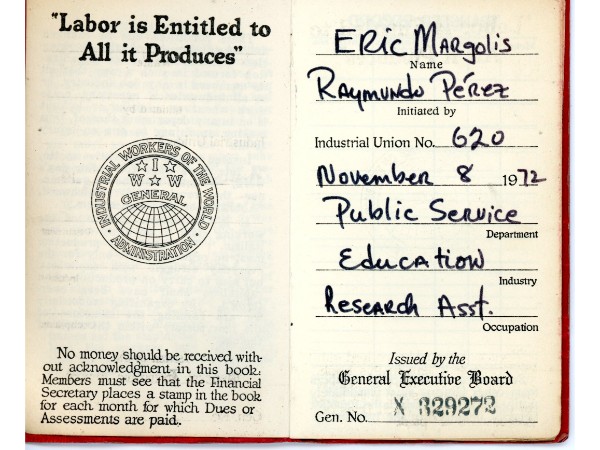
Between 1927 and 1928, the Industrial Workers of the World — known as the Wobblies — led one of the last major coal strikes in Colorado history. This article by Eric Margolis reconstructs the events, strategies, and outcomes of the strike through a combination of archival research, oral history interviews with surviving participants, and photographic evidence.
The strike erupted in the coalfields of southern Colorado, where miners had long endured dangerous working conditions, company-controlled housing, and wages that barely sustained their families. The Wobblies brought a vision of industrial unionism and worker solidarity that challenged not only the coal operators but also the more conservative leadership of the United Mine Workers.
Margolis documents how the strike was ultimately broken through a combination of corporate intransigence, state intervention through martial law, and the internal tensions between radical and moderate factions within the labor movement. Yet the legacy of the Wobbly strike, he argues, extended far beyond its immediate defeat — it contributed to the gradual erosion of the feudal labor system that had governed Colorado’s coalfields for decades.
Drawing on interviews conducted between 1976 and 1984 with miners who participated in the strike, this article preserves firsthand accounts that would otherwise have been lost to history.
Read the Full Article
Cite This Work
Eric Margolis (1985). Colorado’s Wobbly Strike. Journal of the West.


